>Beadboard wainscoting is often associated with older houses, particularly given that it\'s been around given that the 1600s, and was originally employed to safeguard walls from damage. It can be discovered in any room of a house, from bathrooms to hallways to kitchens, where it can cover all or component of the walls. It can be distressed, stained, painted, or even left in its natural wood tone. With so a lot of choices, beadboard is a great addition to your kitchen, no matter whether you select it as an accent or install it additional liberally.
What is Beadboard Wainscoting?
Beadboard consists of tongue and groove strips of wood that are fitted together and nailed along the wall. The bead, or indentation, that runs between every board is what defines beadboard. This bead can be a number of widths, depending on the width of the boards themselves and the sort of beadboard you buy. Beadboard wainscoting normally goes partway up the wall, though beadboard can undoubtedly be both vertically or horizontally over the whole wall, if desired. Traditionally, it is placed vertically with a decorative chair rail and molding along the top and bottom, framing the wainscoting along the wall.
While real beadboard is tongue and groove and comes as separate boards, you can buy sheets of beadboard at lumber yards or home improvement stores. They are obtainable in primed and unprimed, pine, oak or a composite. It\'s very best, for authenticity\'s sake, to select a real wood item. If you plan to paint the beadboard, pine is the most cost-successful, and primed options will save you a step. The real wood also looks much more realistic than the composite sheets.
Beadboard Wainscoting in the Kitchen: Where Will need to it Go?
There are numerous ways to enhance your kitchen. It can be a focal point or an accent, depending on your taste. For example, if you want it to be a focal point, you can select to reface your kitchen cabinets with doors that feature a beadboard center. You can also make beadboard wainscoting you backsplash, both of which help draw attention and will define your kitchen\'s style.
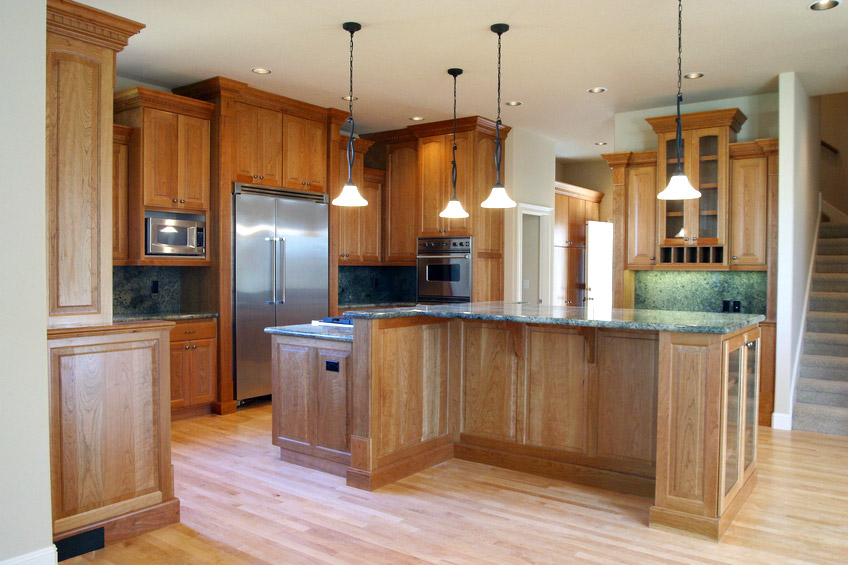
For a additional subtle approach, give some thought to adding beadboard wainscoting to the outside of your kitchen island or put it along your walls, in particular if you have a large, eat-in kitchen that will show-off your beadboard wainscoting addition. If you have a built-in seating, such as a banquette or bench seat, perhaps beneath a window, take into account facing it with beadboard wainscoting for a cottage feel.
Finishing Options for Beadboard Wainscoting
Beadboard wainscoting does not have to be white, but can be painted to complement your existing kitchen color, possibly a darker shade if you strategy to put it on the wall or highlight seating. You could distress it for an aged, antique look or you may possibly stain it, particularly if you plan to use it on cabinet doors or along the outside of a kitchen island, despite the fact that a painted finish will work well here as well. Of course, if you prefer its natural color, basically apply a clear varnish to it to preserve it and make it shine.
